

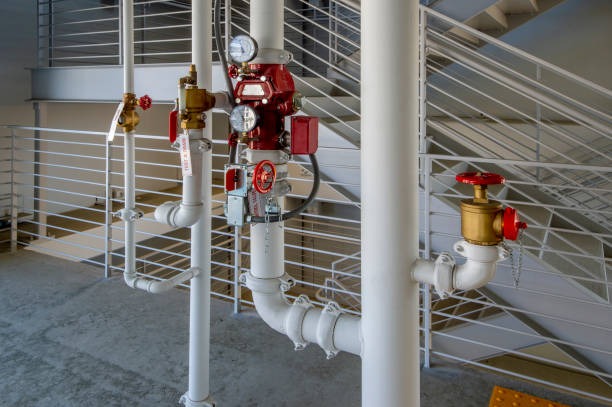
A wet riser system plays a vital role in fire safety for large buildings, multi-storey structures and facilities where rapid access to water for firefighting is essential. Designed to provide firefighters and occupants with readily available pressurised water, this system helps reduce response time and supports effective suppression efforts during an emergency. Understanding how this system works and where it is applied can help property owners make informed decisions about fire protection strategies.
For those exploring fire safety solutions and common protective systems, many professionals refer to helpful resources like wet riser system to learn about design considerations, regulatory requirements and integration with other fire safety components.
How a Wet Riser System Works
At its core, a wet riser system consists of vertical pipes — known as risers — that are permanently filled with water and connected to a reliable water supply, such as a building’s main line or a dedicated fire water tank. These risers run through each floor of a building, with fire hose outlets located at regular intervals, typically in fire hose reel cabinets or firefighting zones.
When a fire occurs, firefighters or trained personnel can connect hoses to these outlets to access a pressurised water source without delay. Because the system remains filled with water at all times, there is no need to prepare or charge the pipework before use. This immediacy is especially valuable in multi-storey environments where waiting for external pumping can cost precious time.
Benefits of Installing a Wet Riser System
A wet riser system offers several important advantages for building safety and fire response readiness. One of its key benefits is the provision of an internal water supply that can be accessed at multiple points, allowing firefighting teams to target specific areas quickly. This is particularly helpful in high-rise buildings or complexes where fire incidents may occur at any level.
Another advantage is the assurance of water availability without reliance on external sources. By coupling the riser with water storage and booster pumps, building managers can ensure that water pressure is maintained even during peak demand or external supply disruptions. This reliability supports faster and more effective fire suppression.
Where Wet Riser Systems Are Used
The wet riser system is most commonly found in commercial high-rise buildings, hotels, hospitals, shopping complexes and large industrial facilities. In these environments, the height and layout of the structure make it impractical for firefighters to depend solely on external hoses or hydrants. Internal water distribution through a riser system allows for strategic placement of hose connections at safe and accessible points.
Residential applications are less common but may be specified in certain multi-unit buildings where layout and risk assessments indicate the need for additional internal fire water distribution.
Design and Compliance Considerations
Installing a wet riser system requires adherence to fire safety codes and standards that dictate appropriate pipe sizes, water storage capacity, pressure requirements and outlet placement. Professionals designing these systems must consider factors such as building height, floor area, occupant load and local regulatory requirements to ensure the installation meets performance criteria.
Regular inspection and maintenance are also crucial. Because the system remains charged with water, periodic checks help verify proper pressure, absence of leaks, and functionality of hose outlets and valves. These routine activities ensure that the system performs as intended when needed most.
Conclusion
In summary, a wet riser system is a fundamental element of fire protection in large buildings and high-risk structures. By providing immediate access to pressurised water at multiple levels, the system enhances the capability of firefighting teams and building occupants to respond effectively to fire emergencies. When designed and maintained to current standards, wet risers contribute significantly to comprehensive fire safety and peace of mind for property managers, occupants and visitors alike.
