

SAP SAP consulting consultant services Diving into SAP Consultants

An SAP Consultant is an expert in this programme, which includes a variety of various software solutions geared for business needs. SAP was founded in Germany by five former IBM employees, and the name is an acronym for the German words Systeme, Anwendungen, Produkte, or Systems, Applications, and Products. This programme enables companies to manage their customer relationship management software (CRM), supply chain management software (SCM), employee, financial, and production records, as well as historical data.

Although an SAP Consultant’s job title is rather ambiguous, most experts opt to specialise in one of two areas: technical or functional. Individuals with technical backgrounds, such as programming and software development, are better suited to counsel on the technology side of SAP software, whereas individuals with a financial background, for example, can focus on the functional side of SAP Consulting. Entry-level SAP consultants frequently work long hours, up to 80 per week, while concentrating on mastering certain SAP modules. However, depending on project requirements, their hours may decrease once they have learned them.

SAP Consultants Malaysia work for both large and small businesses, reporting to a Senior SAP Consultant or an IT Manager in most cases, however, others are self-employed. Computer Support Specialists, such as SAP Consultants, are in high demand, with demand growing at a pace of 12%, which is faster than the national average. According to the Bureau of Labor Statistics, 855,700 positions will become available between now and 2024 due to attrition and the creation of new positions.

An SAP Consultant must become a specialist in at least one SAP software module. They must be able to grasp their expertise within the SAP offering, as well as manage projects and develop the software to meet the needs of end clients, in order to flourish in this profession.

SAP software is not a one-size-fits-all solution; it must be customized to meet the specific demands of each client. Understanding the customer’s business demands, as well as any faults with their present software and any potential limits in using the system, is the first stage in this process (such as lack of skill or system requirements). The SAP Consultant then customizes the solution for the industry, department, and tasks that it will be utilised for. They’re in charge of writing interfaces, forms, and other standards programmes.

When clients run into problems with their present systems or have problems with SAP software, they turn to an SAP Consultant for recommendations on how to improve their operations. As a result, an SAP Consultant must be up to date on the newest SAP offerings, upgrades, and innovations in order to recommend the most recent solution to the problem. Furthermore, because clients may operate in a range of industries, such as banking, government, technology, or others, the SAP Consultant must be familiar with those businesses in order to propose practical technological solutions.

A SAP Consultant may supervise junior SAP Consultants as part of a team. If that’s the case, this person will be in charge of finding appropriate candidates and training them in both the technical abilities required for the position and the customer service attitude that each organisation expects of its employees.…

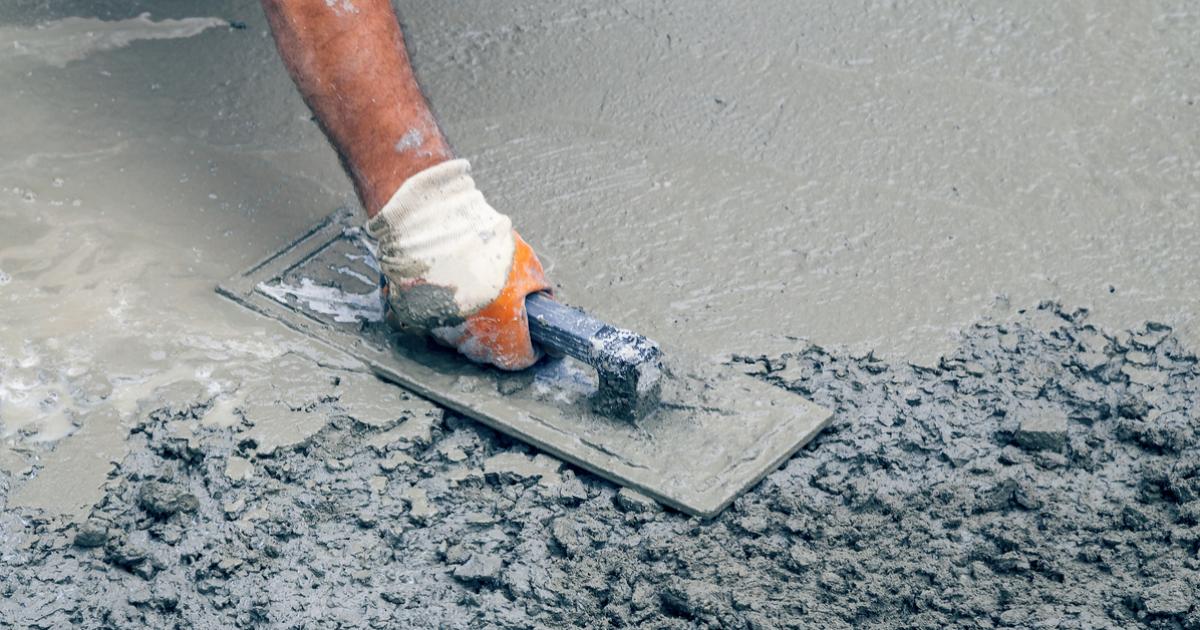
sodium lignosulphonate Construction: Is Concrete A Good Material?

Concrete is a desirable material for numerous building applications because of its strength, durability, reflectivity, and flexibility. These characteristics make it a durable and long-lasting solution for a variety of home and business applications. If your key ingredient in the concrete is sodium lignosulphonate, it will improve the workability of the concrete and also reduce the hydration heat at the early stage of cement hydration.

These are the benefits that you can get if you are using concrete as the material of your building.  

sodium lignosulphonate

1.       It is resistant to high temperature

Concrete is more resistant to high temperatures than wood and steel. The primary binder in concrete, calcium silicate hydrate, C-S-H, can tolerate temperatures up to 910 degrees Celsius. Although concrete is a poor heat conductor, it may store a significant quantity of heat from the environment. Concrete can endure heat for 2–6 hours, giving enough time for rescue operations in the event of a fire. It is used in high temperature and blast applications to fireproof steel.

2.       Strength and durability

Concrete outlasts other building materials by decades and actually strengthens with time. Concrete, surprisingly, strengthens year after year due to the cement component’s capacity to create connections with surrounding moisture particles. By adjusting the water, cement, and aggregate ratios, the degree of strength may be tailored to fit the demands of a given project.

The ‘nature’ of concrete makes it durable and lasts longer than other materials. It is relatively resistant to erosion, fire, rotting, corrosion, and weathering and requires little care and repair. As a result, concrete has a longer lifespan than many other building materials.

3.       Cost-efficient

Concrete buildings minimize operating expenses associated with operational energy consumption, maintenance, and catastrophe rebuilding due to its durability, resilience, minimal maintenance requirements, and energy efficiency. Cement, water, and aggregates are the three main components of concrete. All of these are inexpensively accessible in local marketplaces. That is why the production cost of cement concrete is relatively inexpensive when compared to engineered cementitious materials used in building.

It also has low maintenance cost because in contrast to steel or timber buildings, where weathering is unavoidable, concrete structures do not require coating or painting for frequent applications. Concrete’s coatings will be updated and refinished on a regular basis, lowering the maintenance cost significantly compared to steel or wood.

4.       Low carbon footprint

Concrete is a strong and durable material that can endure natural disasters, reducing the need for extra materials for restoration. Because concrete is frequently made from locally obtained materials, it takes less transportation and resources to get from one place to another. And, towards the end of its life, concrete may be recycled and reused, extending its natural lifespan even further.

As a conclusion, concrete is a really good material that you can use for your building because it will help you to save your budget and also have the best, sturdy building at the same time. It is resistant to high temperature, better strength and durability, cost-efficient and also helps the environment by leaving a low carbon footprint. …